
Opening on October 2, 2012, the 9th Shanghai Biennale will feature city pavilions instead of the usual national pavilions. This year’s exhibition is structured around four main themes: Resources, Revisit, Reform, and Republic. Defne Ayas, who has six years of professional experience in China, was invited to co-curate the Istanbul Pavilion at the Shanghai Biennale.
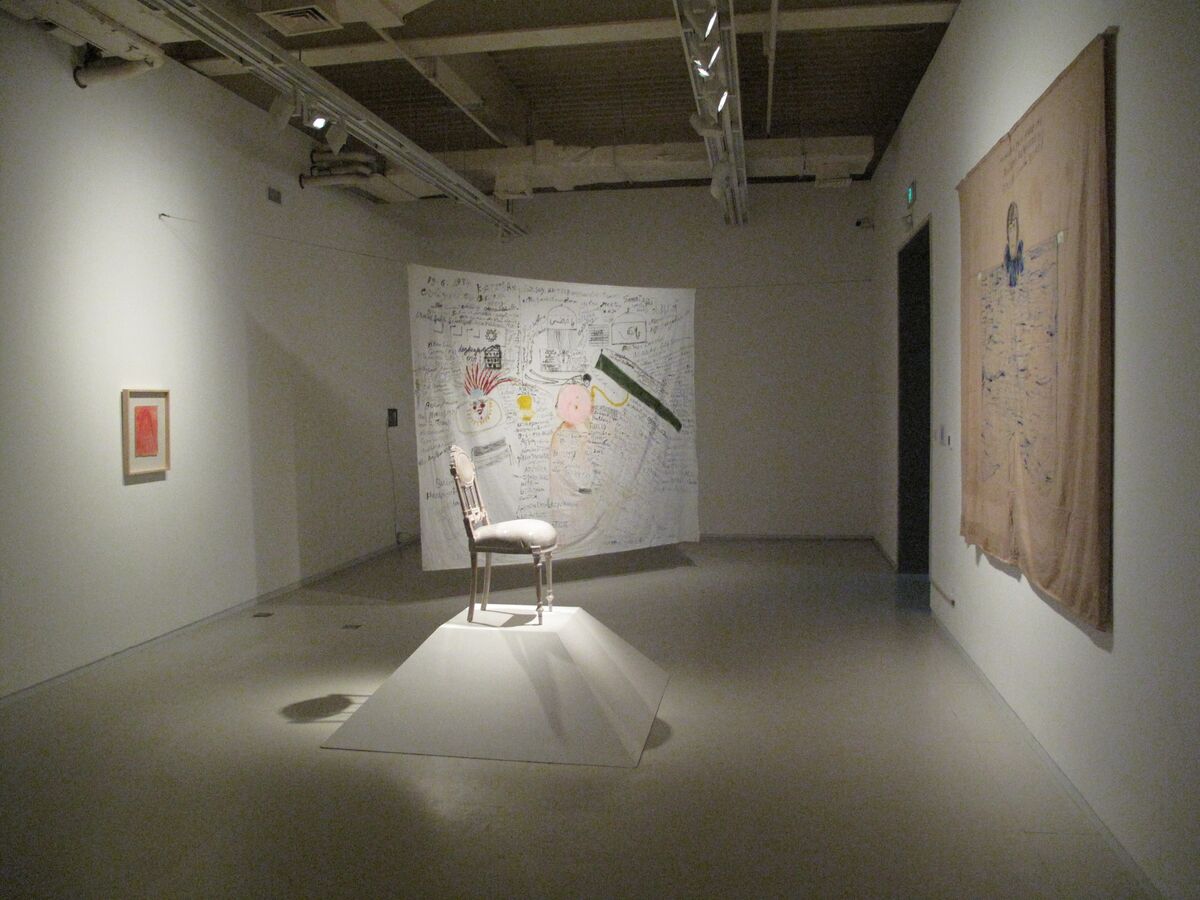
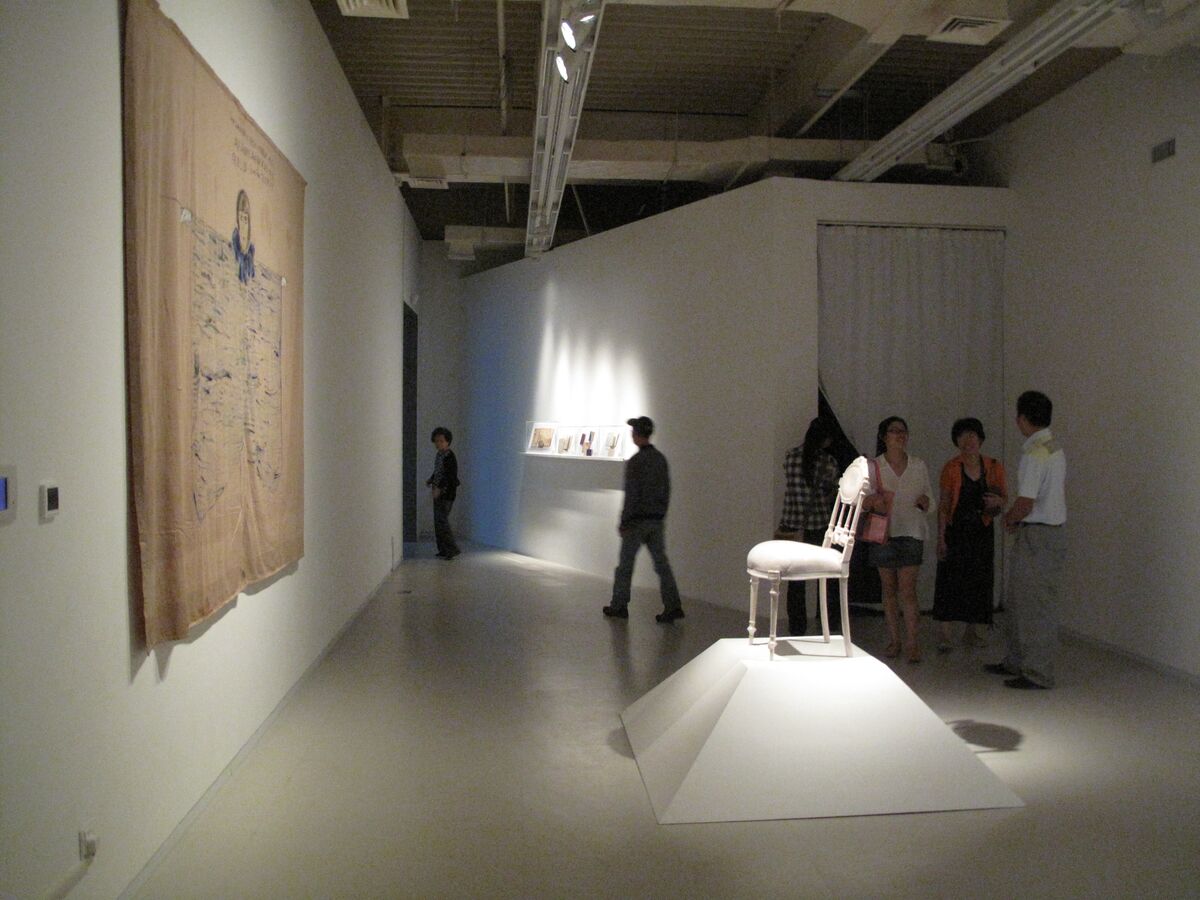
The Istanbul Pavilion, titled A Turn in the Timeless, presents works by Galerist artist Elif Uras, pioneering artist Semiha Berksoy, and contemporary artist Annika Eriksson. The selection traces and depicts moments of rupture in the Westernization processes, addressing various continuities and breaks in the histories of both Türkiye and China.
Defne Ayas is a prominent figure in the international contemporary art scene, serving as director of Witte de With Center for Contemporary Art. She has curated the internationally renowned Performa Biennial in New York since 2004 and has been the Asia representative of the Prince Claus Fund since 2007. As co-director of Arthub Asia Cultural Foundation in Shanghai, and with five years of teaching experience at New York University’s Shanghai campus, Ayas continues to contribute to China’s emerging cultural life through large-scale exhibitions with the Vanabbemuseum, projects at the 5th and 6th Contemporary Shanghai Art Fairs, and collaborations with Shanghai Municipality and the Shanghai Expo.
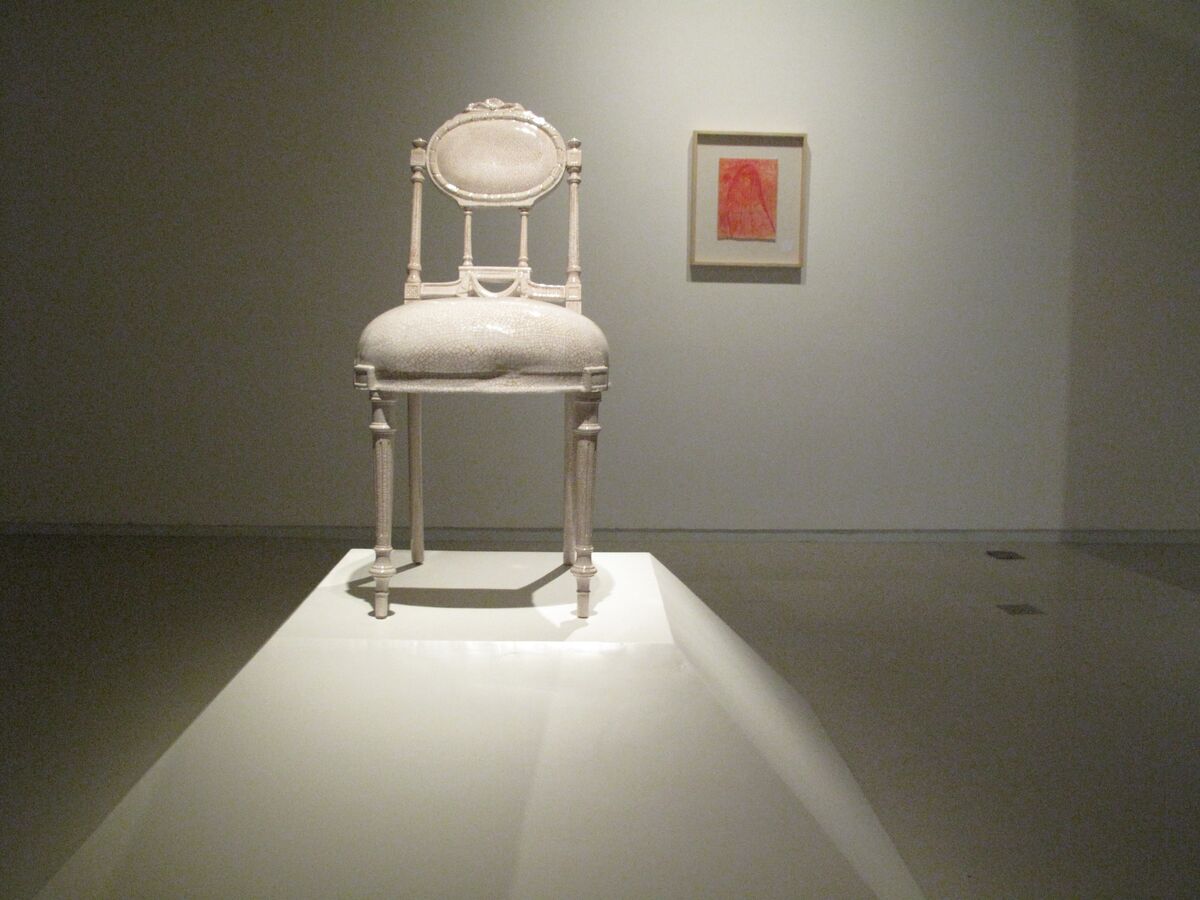
Elif Uras’s magnificent ceramic sculpture Janet (Mihrişah Sultan) is a full-scale replica of an 18th-century French chair imported by the Ottoman courts during the transitional period when Turks moved from traditional sedirs to more Western-style chairs. Named Janet in homage to Mihrişah Sultan—the French-born consort of Sultan Mustafa III and mother of Sultan Selim III, who ruled the empire when these chairs first appeared in Istanbul—the sculpture is modeled on an opulent chair designed for princes raised in the Ottoman harem.
The realistically detailed, glazed ceramic chair, covered with crackled surface textures, creates a space for the flow of ideas and influences beyond time and borders, shedding light on the transition from tradition to modernity. Uras’s practice involves reinterpreting the Iznik ceramic tradition—a craft that began in the 15th century with Ottoman attempts to emulate Chinese porcelain for palace, bathhouse, mosque, and middle-class household tiles. This tradition was lost in the 17th century and rediscovered towards the end of the 20th century. Through her contemporary approaches, Uras examines the underlying fragility of the nation-state’s formation process and the “resistance” embodied by materials themselves.
